
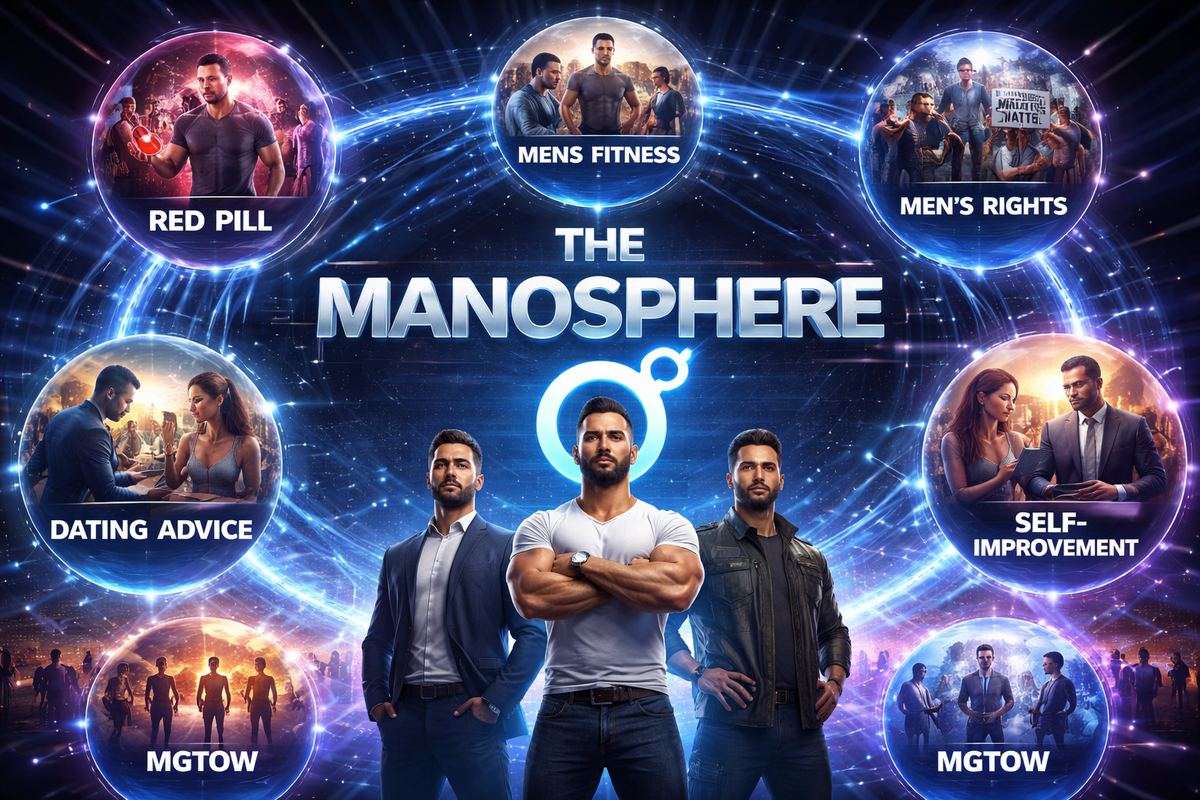
The “manosphere” – no longer a ‘fringe community’ on blogs or back corners of the dark web. 'Manosphere' content is now found in our everyday feeds, driven by influencers who are focused on men and masculinity. Wrapped in the language of “self‑improvement” and “dating advice,” much of it pushes a worldview where women are reduced to stereotypes, blamed for men’s struggles, and treated as problems to manage rather than people to respect.
The ‘manosphere’ narrative recycles old misogynistic views and attitudes into new packaging: talk of “female nature,” “high‑value women,” and “feminist lies” is replaced with openly sexist language and the messaging is the same. Women are cast as manipulative, irrational, and untrustworthy; men are told they must dominate or control them.
These damaging attitudes are directly undermining women’s hard‑won rights.
- Equality at work is attacked through backlash against pay equity, harassment policies, and diversity efforts.
- Bodily autonomy and safety are trivialised when harassment, abuse, and assault are dismissed as “drama” or “regret.”
- Political voice and leadership are weakened as women who speak up face relentless online abuse that pushes many out of public spaces.
This isn’t just an insult to individual women; it’s a rollback of decades of work toward basic equality.
Normalising the manosphere erases how much women already contribute to society:
- In economies, women drive major portions of the workforce, entrepreneurship, and consumer decision‑making.
- In families and communities, women have long held unpaid roles that keep societies functioning—caregiving, organising, emotional labour—on top of paid work.
- In culture, science, politics, and social movements, women have led transformative change: from suffrage and civil rights to climate action and tech innovation.
When women are framed primarily as obstacles, gold‑diggers, or background characters in men’s stories, their real, tangible contributions are made invisible. That makes it easier to argue that women don’t “deserve” equal rights, safety, or power.
Content, attitudes, beliefs and behaviour disseminated from the manosphere harms men and boys too. Many men and boys reach the manosphere because they are lonely, hurt, or confused about their place in a changing world. Instead of honest support, they’re handed enemies (women, feminists, “simps”) and a version of masculinity that forbids vulnerability or emotional honesty.
This cuts men/boys off from deep, mutual relationships and makes them suspicious of women rather than open to partnership. In some cases, nudges them toward more extreme, hate‑filled spaces. A culture that devalues women doesn’t truly value men either; it trains men/boys to live in fear, anger, and emotional isolation.
Countering the manosphere isn’t about silencing men; it’s about building a healthier, fairer society where everyone can thrive. That means:
1. Defending women’s rights as non‑negotiable.
Equal pay, safety from violence, reproductive rights, political representation, and freedom from harassment are not “special treatment”—they’re the baseline for a just society. We have to treat attacks on these rights as serious threats, not edgy opinions.
2. Centering women’s contributions in our stories.
We should consistently highlight women’s leadership, creativity, care work, and innovation—in media, education, workplaces, and politics. When girls and boys grow up hearing about women as builders, leaders, and problem‑solvers, misogynistic narratives lose their grip.
3.Creating healthy spaces for men that reject misogyny.
Men need places—online and offline—where they can talk about pain, rejection, and pressure without being shamed and without being fed hate. That means supporting pro‑vulnerability messages. Male role models who practice respect, consent, and emotional literacy. Communities that encourage men to see women as equal partners, not adversaries.
4. Teaching digital and critical literacy.
We should be actively helping young people ask Who profits if I believe this? How are women being portrayed here—as humans or as stereotypes? What does the evidence actually say, beyond this creator’s rant?
5. Refusing to normalise dehumanisation.
We don’t have to debate every troll, but we can call out misogynistic “jokes” as harmful, not harmless. We can stop sharing and platforming creators who build their brands on contempt for women. We should expect schools, workplaces, and platforms to have—and enforce—clear policies against gender‑based hate.
Normalising the manosphere means normalising a worldview where women are less safe, less valued, and less free—and where men are pushed into anger and loneliness instead of genuine strength and connection. We can choose something better: a culture that honours women’s rights, recognises women’s contributions, and supports men in becoming whole, empathetic human beings rather than soldiers in a gender war.